
Spring Valley Golf Club - Investor Presentation
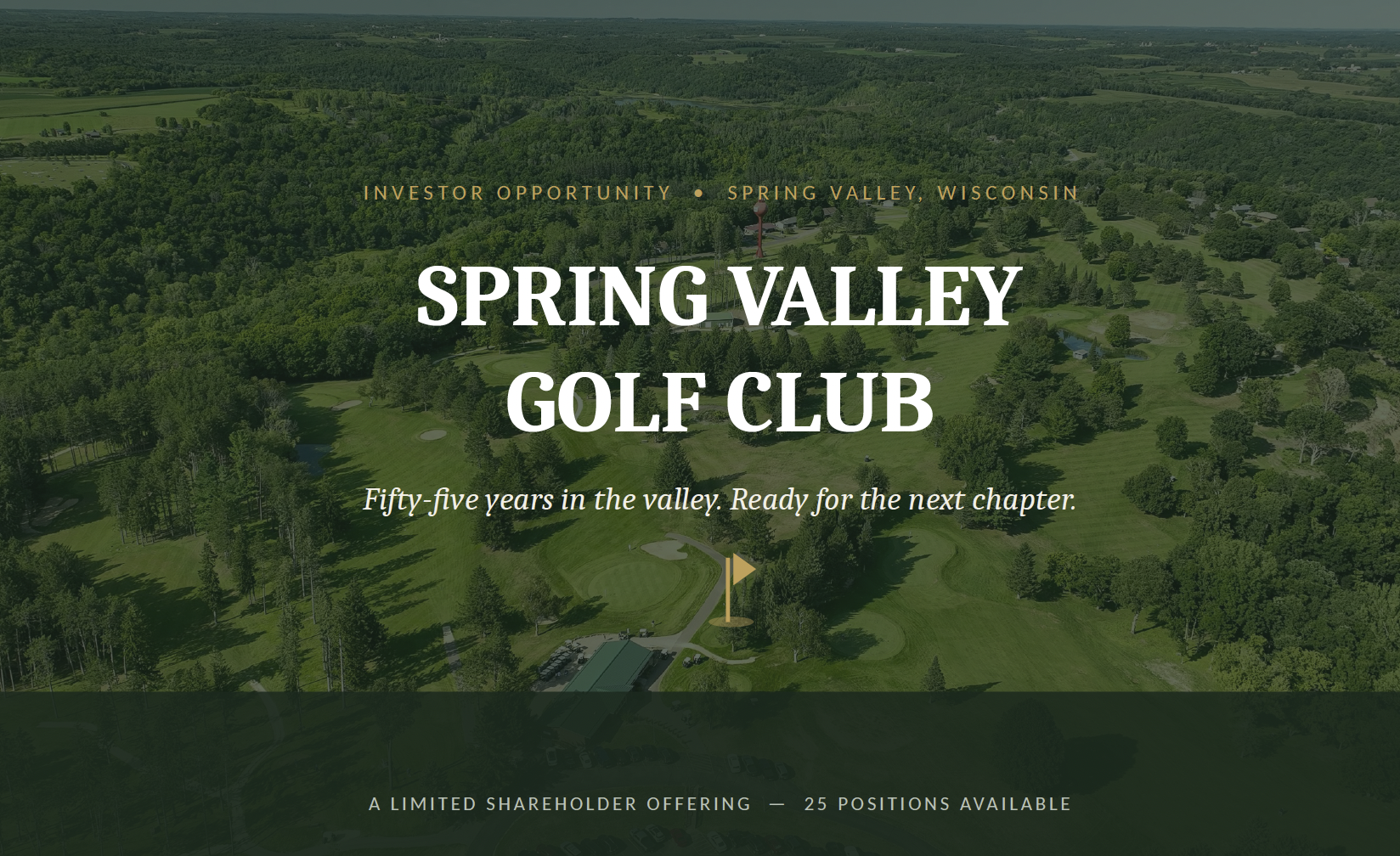
Timeline
2026
September: Finalize Investor Pitch Deck + 2 Year Member offer and begin selling Legacy Memberships
October: Begin selling 2 Year Memberships
November: Sell all Legacy Memberships
December: Purchase property from Bob & Cathy
2027
Increase rounds and revenue while planning for addition of on-site lodging
Add on the deck to the clubhouse
Continue course improvements
Sell some of the land for development and pay down loan debt
Plan out the on-site lodging
2028
Add on-site lodging
To Dos
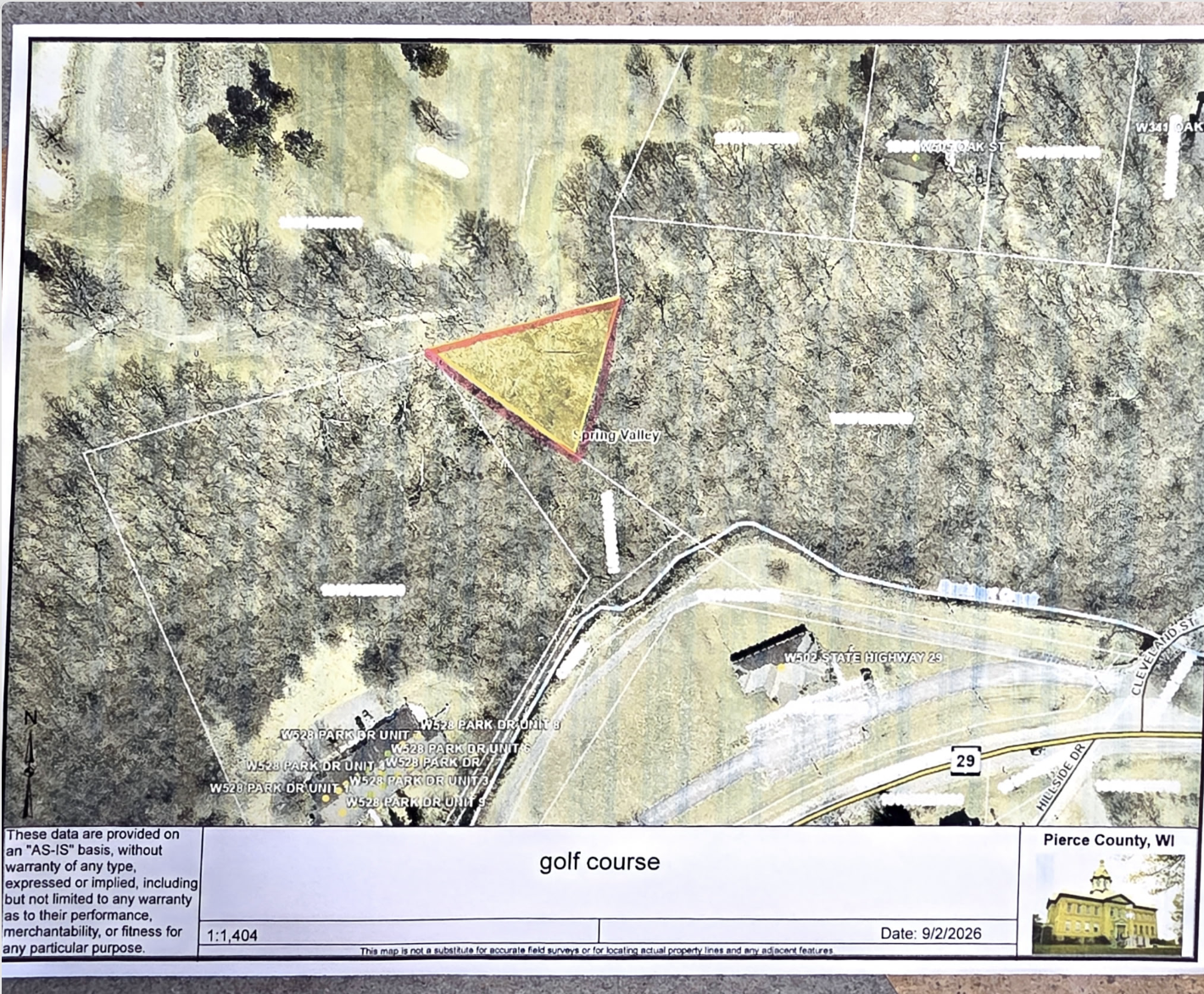
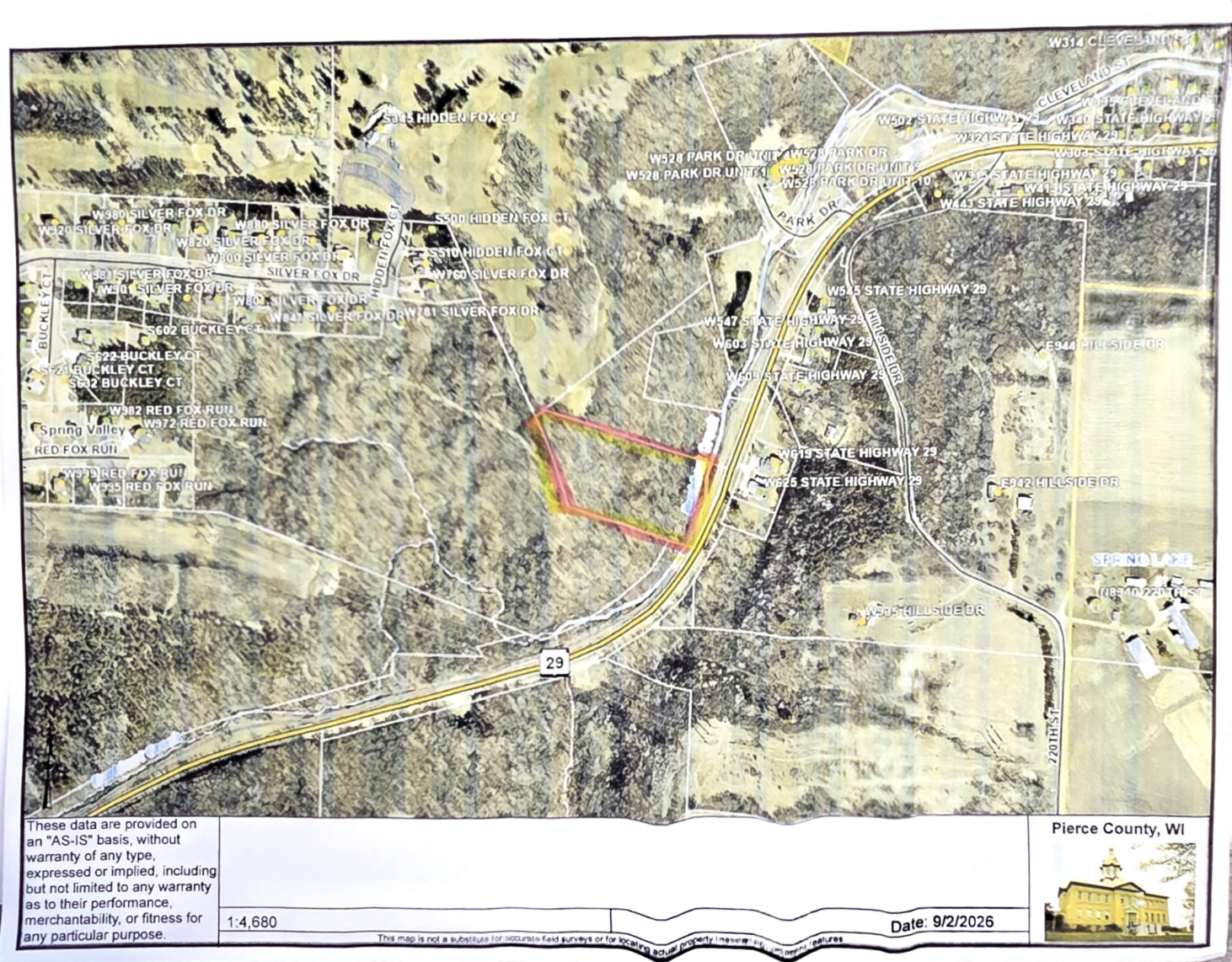
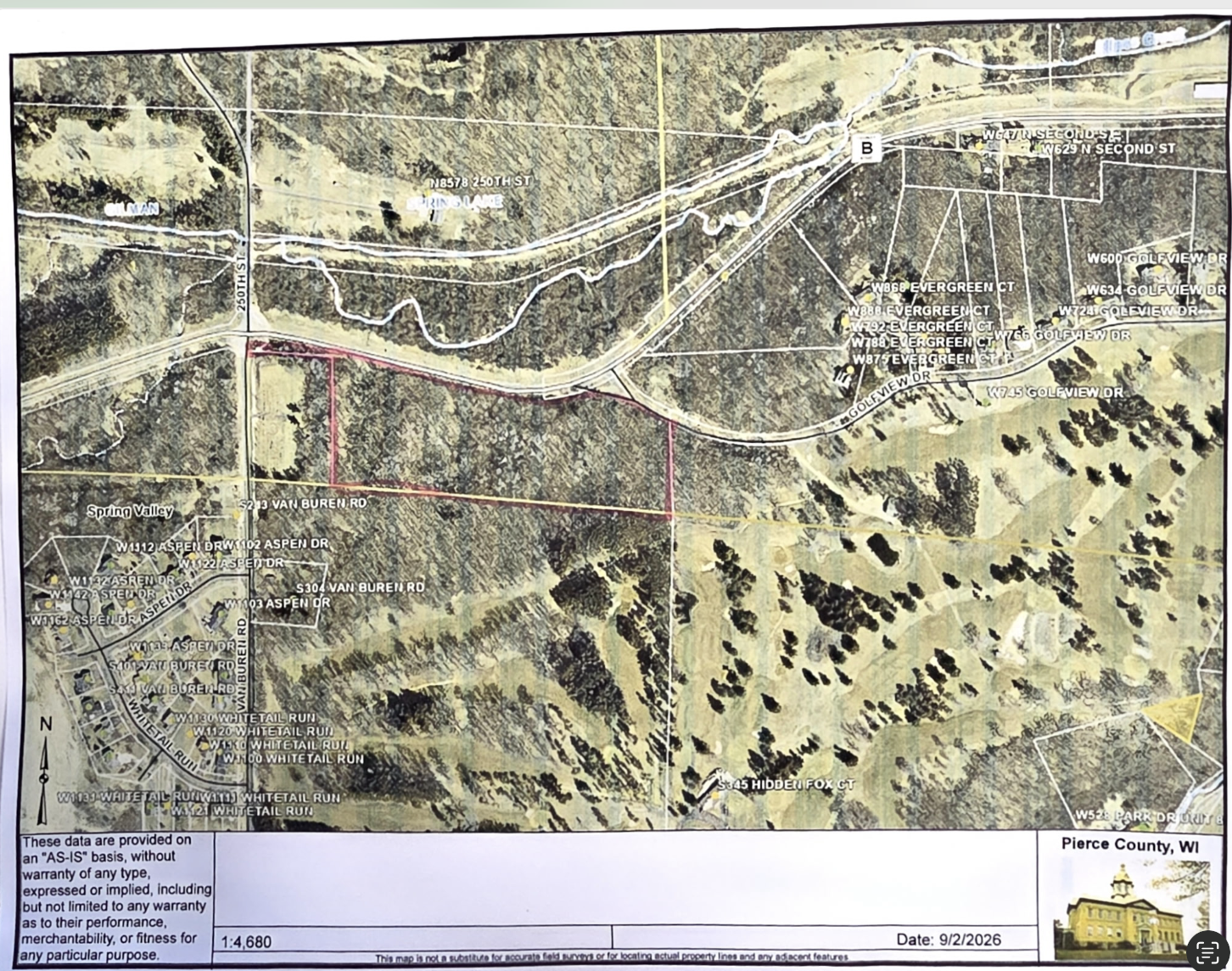
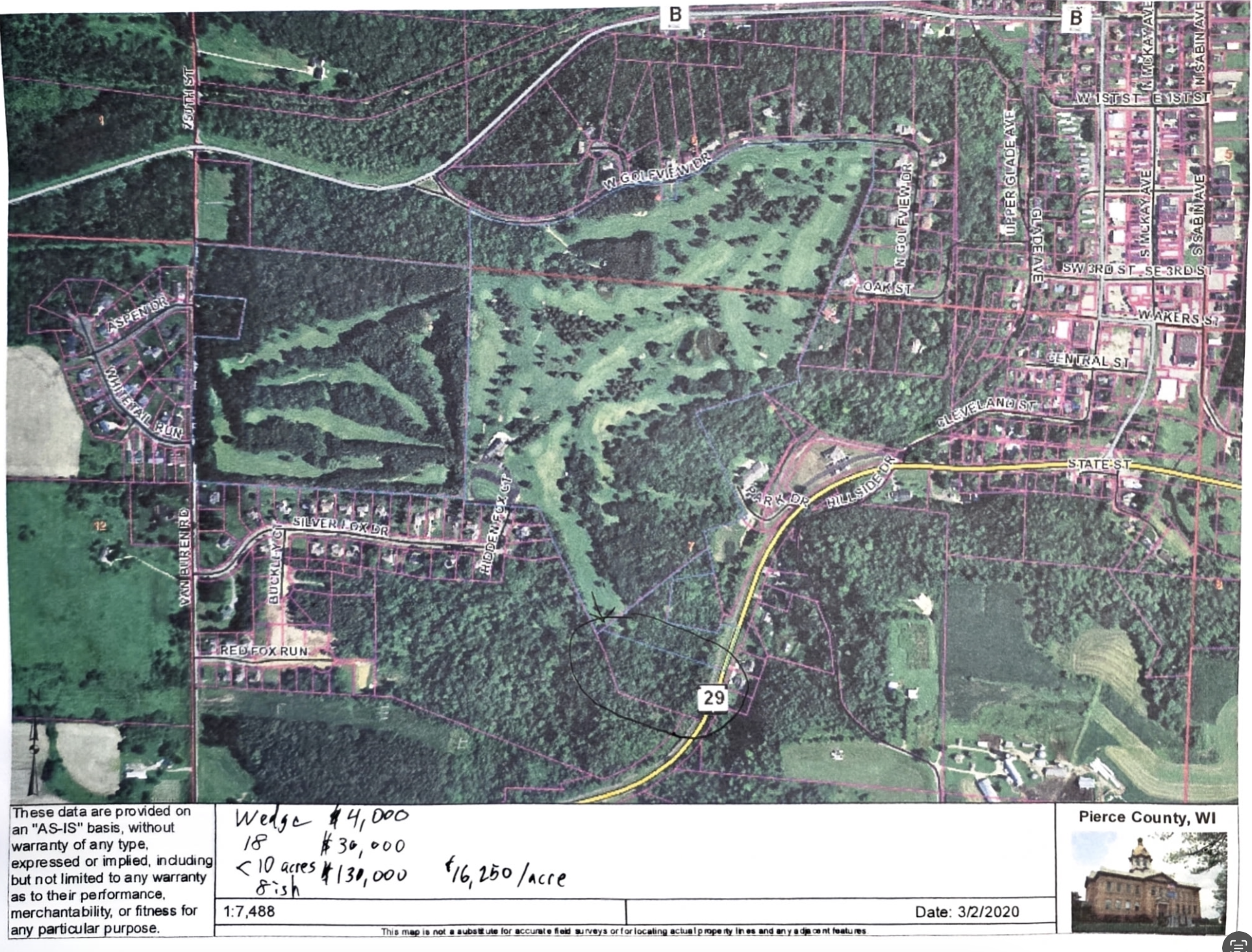
Negotiate for additional land - DONE, 3 parcels, $164,000. Purchase by end of 2026
Finalize Investor Pitch Deck (25 shares @ $50k each). 2% equity. 50 rounds/year. Call these Legacy Members.
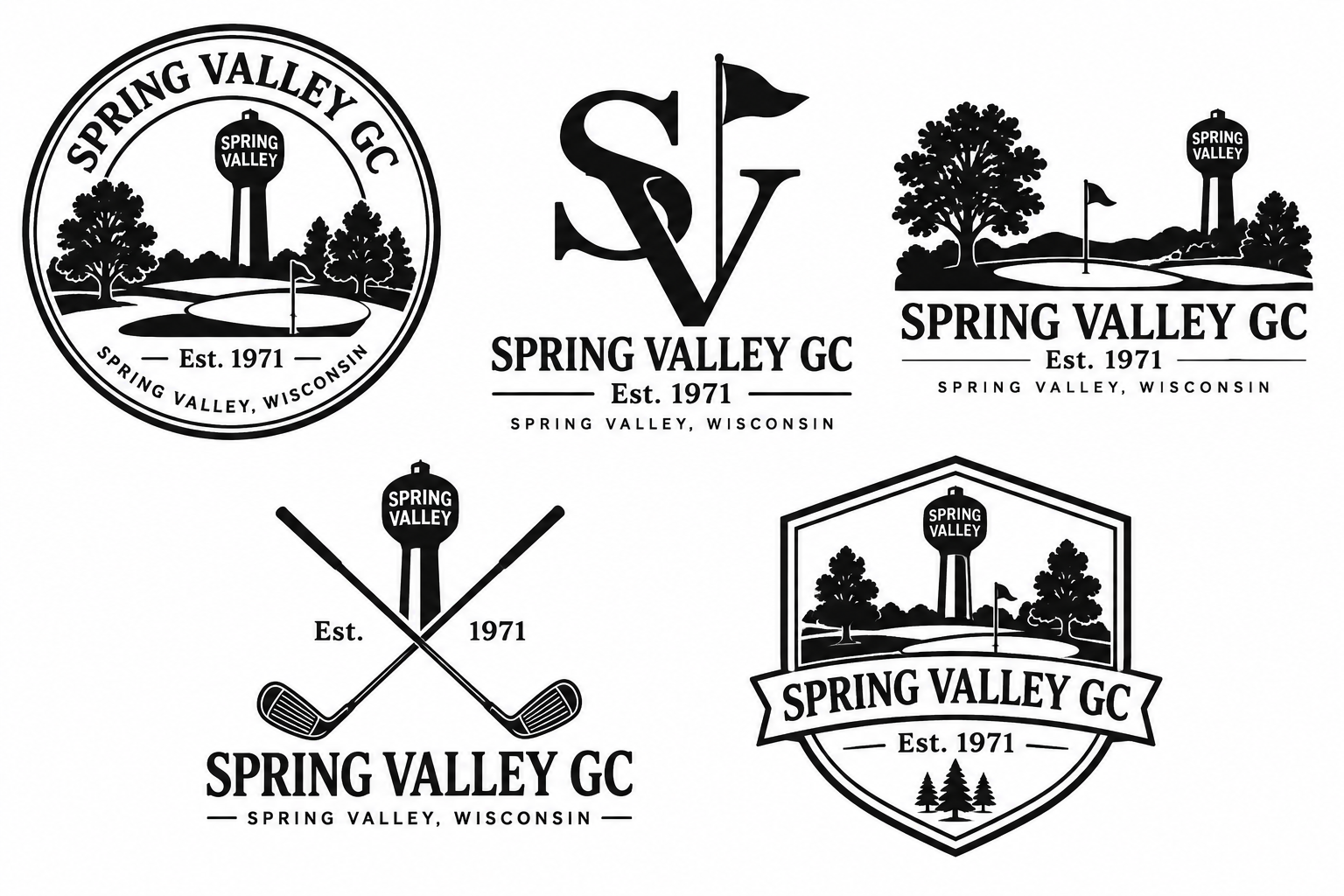
Create new logo
Create a 2 year Membership Option (give catchy name) to raise $$ and generate buzz about the evolution
Additional Land
New Logo Concepts
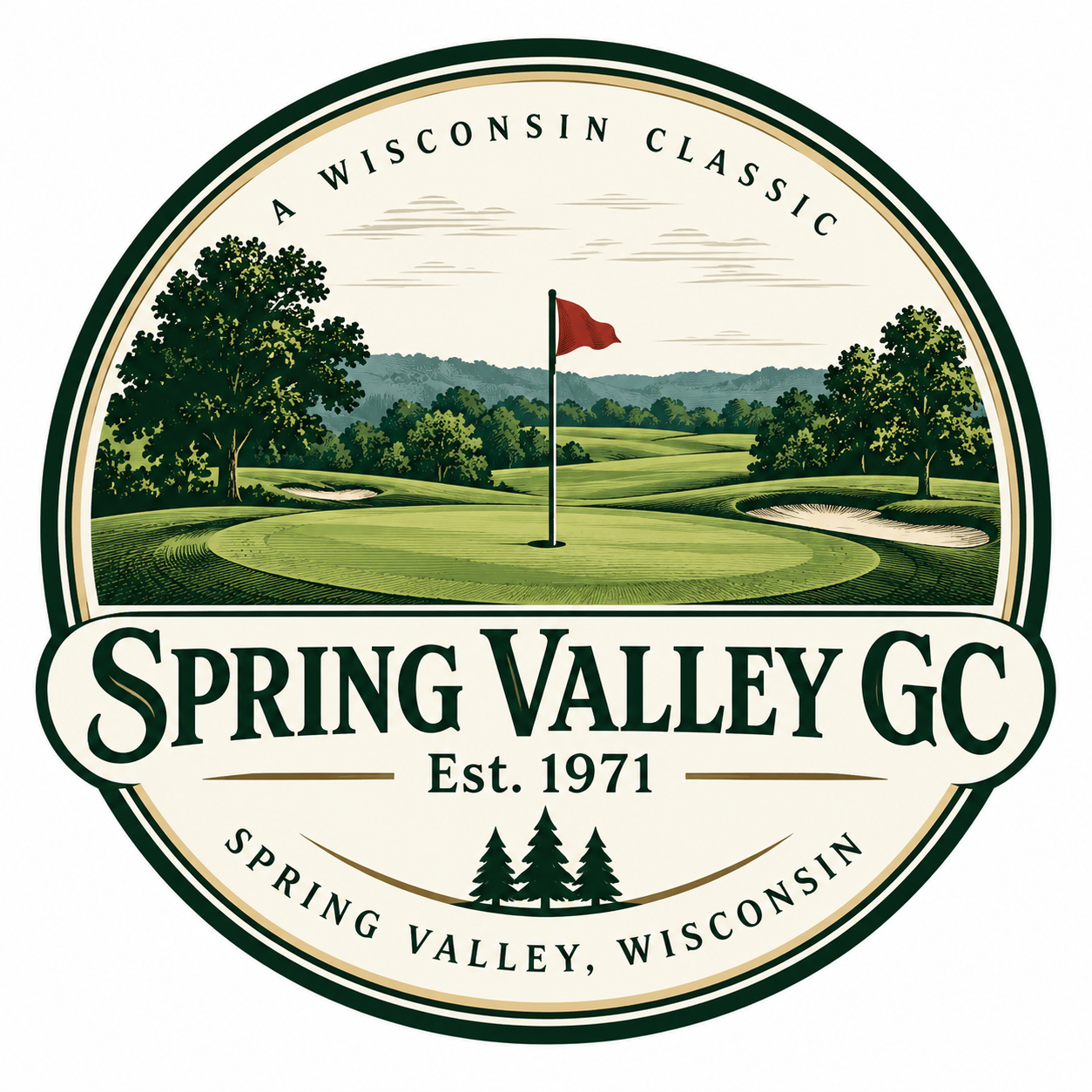
Ideas
End Result
Through this collaborative effort with the current owners Bob & Cathy along with locals Telly and course builder + 50 year superintendant Bill Emerson, the team led by @TwinCitiesGolf Founder Kevin Unterreiner brings the vision and capital needed to evolve Spring Valley Golf Club into an elevated golf experience with additional amenities and Stay and Play options.
Brand Identity
Proposed Brand Identity & Positioning for svgc
The central brand idea
Historic Golf. Elevated. For Everyone.
Spring Valley should occupy a space that very few courses can credibly claim:
A historic, architect-designed Wisconsin golf course that is being thoughtfully elevated without becoming expensive, exclusive or pretentious.
That's the strategic sweet spot.
The story shouldn't be "we're fixing an old golf course."
It should be:
"We're preserving something worth preserving—and building its next chapter."
1. What Spring Valley already has
Spring Valley's existing assets are considerably stronger than its current branding communicates.
The course dates to approximately 1971 and is consistently attributed to golf course designer Dr. Gordon "Gordy" Emerson. Golf Digest lists Gordon Emerson as the designer, while GolfWisconsin identifies Dr. Gordy Emerson as architect and a 1971 opening.
The architecture itself gives Spring Valley a legitimate story. The course isn't simply 18 holes carved out of generic terrain. The two nines have distinctly different personalities. The front moves across rolling glacial/moraine terrain with uneven lies, wind and undulating fairways and greens; the back moves into dense pine forest with narrow corridors and significantly greater demands on accuracy.
The course also occupies an excellent geographic position: approximately 45 minutes from both the Twin Cities and Eau Claire and roughly 10 minutes south of I-94.
That creates three potential audiences simultaneously:
Local community → Twin Cities golfers → Eau Claire/Western Wisconsin golfers.
That is a very good foundation for a destination-oriented affordable public course.
2. What golfers appear to like
Review data reinforces several parts of the proposed brand.
18Birdies currently shows Spring Valley at 4.2/5, with 4.3 for value and relatively fast pace of play. Another current golf listing shows approximately 4.4 from 107 reviews.
The recurring positives I found are:
Value
Scenic terrain
Interesting elevation changes
Memorable wooded holes
Challenging architecture despite modest overall yardage
Friendly/local atmosphere
Variety between the front and back nine
A course that requires strategy rather than simply distance
An older Google-review aggregation captures the architectural appeal particularly well: the reviewer highlights the vistas, narrow tree-lined holes and numerous risk/reward driver decisions.
That's important.
Spring Valley shouldn't market itself as a 6,000-yard course.
It should market itself as a:
"Thinking golfer's course."
Shorter does not mean easy.
The architecture asks golfers to decide:
Where do I hit it?
rather than simply:
How far can I hit it?
3. The weaknesses
There are several.
Brand story is underdeveloped
The website talks about a "Championship layout," conditions, tournaments and banquets, but the history and architecture aren't currently carrying the brand.
That is probably Spring Valley's biggest marketing mistake.
A 1970s-era Gordon Emerson course is much more interesting than another Western Wisconsin "championship golf course."
The architect should be prominent.
The year should be prominent.
The preservation story should be prominent.
The website feels transactional rather than emotional
The website explains what Spring Valley has.
It doesn't adequately explain:
Why Spring Valley matters.
The new brand needs storytelling around:
1971 → Today → Next 50 Years
That provides an emotional narrative for golfers, community members and potential Founding Partners/investors.
Conditioning perception isn't completely consistent
18Birdies currently gives course conditions 3.7/5, noticeably below the overall 4.2 rating and the 4.3 value score.
That discrepancy is useful.
Golfers essentially appear to be saying:
"We like this golf course and believe it's a good value—but there is room to elevate the physical product."
That's almost exactly the ownership thesis you're developing.
Don't hide that.
Build the brand around improvement.
4. The strategic positioning
I would position Spring Valley around four pillars.
PillarMeaning
HERITAGEEstablished 1971. Gordon Emerson architecture.
ACCESS Affordable public golf remains fundamental.
COMMUNITYSpring Valley belongs to more than golfers—it is a community asset.
ELEVATIONImprove conditioning, clubhouse, lodging and amenities without destroying its character.
Everything—from signage to social media—should reinforce those four concepts.
5. Brand Promise
Preserve the past. Elevate the experience. Keep golf accessible.
This is the ownership philosophy distilled into one statement.
It makes an important promise:
Spring Valley can become better without becoming exclusive.
That distinction should become central to the brand.
6. Mission Statement
Spring Valley Golf Course exists to preserve and enhance one of Western Wisconsin's historic public golf experiences—honoring its Gordon Emerson design while providing affordable, welcoming golf for our community and visitors for generations to come.
We will continually invest in the golf course, clubhouse, amenities and guest experience while remaining true to what has always made Spring Valley special:
Great golf. Good people. A place where everyone belongs.
7. Vision
Become Western Wisconsin's most beloved affordable golf destination.
Not:
"Best golf course."
Not:
"Most prestigious."
Not:
"Most exclusive."
Most beloved.
That's a much more powerful position for Spring Valley.
8. Recommended master tagline
I'd make this the primary brand line:
Historic Golf. Elevated.
And underneath it:
Affordable. Friendly. Forever.
Those two phrases can work together extremely well.
For example:
SPRING VALLEY GOLF COURSE
Historic Golf. Elevated.
Est. 1971 • Spring Valley, Wisconsin
And community campaigns could use:
Affordable. Friendly. Forever.
9. Other tagline possibilities
There are several directions worth retaining:
Preserving History. Elevating Golf.
Where Golf Still Feels Like Golf.
Classic Golf. Wisconsin Hospitality.
Great Golf. Good People.
A Wisconsin Golf Tradition.
History You Can Play.
Classic By Design.
Golf For Generations.
Built For Golf. Belongs To Everyone.
But my strongest overall architecture would remain:
HISTORIC GOLF. ELEVATED.
with
Affordable. Friendly. Forever.
as the supporting promise.
10. Make Gordon Emerson part of the brand
This is currently an underutilized asset.
Golf Digest identifies Gordon Emerson as Spring Valley's designer, and GolfWisconsin specifically identifies Dr. Gordy Emerson as architect.
Rather than merely mentioning him on an About page, I'd incorporate the architectural provenance throughout the property.
For example:
SPRING VALLEY GOLF COURSE
A Gordon Emerson Design
Est. 1971
Entrance signage.
Scorecards.
Tee markers.
Website.
Merchandise.
Social profiles.
Clubhouse historical display.
Bag tags.
Ball markers.
Even lodging.
Architecture gives golf courses authenticity.
Spring Valley has it.
Use it.
11. Brand personality
Spring Valley should feel:
Authentic — Welcoming — Historic — Unpretentious — Fun — Local — Proud — Improving
It should not feel:
Corporate.
Luxury.
Country-club exclusive.
Cheap.
Outdated.
Generic.
The distinction between affordable and cheap is especially important.
Spring Valley isn't trying to be cheap golf.
It's trying to deliver exceptional value.
12. The guest experience philosophy
I'd establish a simple internal operating principle:
Better Every Year.
This could become surprisingly powerful.
Every season:
Better greens.
Better tees.
Better bunkers.
Better carts.
Better food.
Better clubhouse.
Better lodging.
Better service.
Better events.
But always:
Spring Valley.
That communicates progress without suggesting the existing property wasn't worthwhile.
13. Visual identity
I'd move the branding toward a heritage Wisconsin golf aesthetic.
Think:
Deep forest green
Warm cream
Black
Natural/tan
Optional muted gold
Typography should combine a classic serif typeface with a clean modern sans-serif.
The logo should probably incorporate:
SPRING VALLEY
GOLF COURSE
SPRING VALLEY, WISCONSIN
EST. 1971 and potentially
A GORDON EMERSON DESIGN
Avoid the typical golf-course logo formula of a generic flagstick + green.
Instead use something derived from the property:
Pine trees + valley/elevation contours.
Those two elements visually tell the story of the two nines.
14. A much stronger website architecture
The homepage should immediately communicate:
SPRING VALLEY GOLF COURSE
HISTORIC GOLF. ELEVATED.
A Gordon Emerson Design • Spring Valley, Wisconsin • Est. 1971
Then:
Affordable public golf.
45 minutes from the Twin Cities.
45 minutes from Eau Claire.
And then tell the story.
I'd rebuild the navigation around:
PLAY | THE COURSE | OUR STORY | STAY & PLAY | EAT & DRINK | EVENTS | MEMBERSHIP | SUPPORT THE FUTURE
That last item becomes extremely useful for the Founders Club initiative you've been developing.
15. Tell the story of TWO courses in ONE
This is potentially Spring Valley's best pure golf marketing hook.
The course itself describes dramatically different outward and inward nines.
I'd brand them.
THE VALLEY NINE
Rolling land. Elevation. Wind. Views.
THE PINES NINE
Tree-lined corridors. Accuracy. Strategy. Solitude.
Then market:
Two Nines. Two Personalities. One Great Round.
That gives Spring Valley something golfers can remember and tell other golfers about.
16. Turn affordability into a badge of honor
Do not apologize for inexpensive golf.
Celebrate it.
Spring Valley's review data supports value as a strength—18Birdies currently scores value higher than overall course conditions.
Create messaging such as:
WE BELIEVE GREAT GOLF SHOULD BE ACCESSIBLE.
And explain:
Spring Valley has been part of this community for more than five decades. As we invest in the course and create new amenities, one principle won't change: this should remain a place where families, juniors, seniors, beginners and serious golfers can afford to play.
That is brand differentiation.
17. The community component
I'd introduce:
FOREVER SPRING VALLEY
This could become the umbrella for preservation, investment and community programs.
Under it:
Junior Golf
Community Days
Local Resident Days
Historical preservation
Course improvement projects
Founders Club
Stay & Play development
Environmental/tree restoration
Scholarships
Local charity events
Then the message becomes:
Not just preserving a golf course. Preserving a community asset.
That's considerably more emotionally compelling than simply fundraising for capital improvements.
18. Founders Club fits perfectly underneath this identity
The Founders Club shouldn't primarily feel like someone purchasing golf rounds.
It should feel like:
Become Part of Spring Valley's Next 50 Years.
25 Founding Partners
$50,000 each
Lifetime golf privileges.
But emotionally:
25 people helping preserve a historic Wisconsin golf course.
That is a much stronger investment narrative.
19. Social media strategy
Right now I'd move away from predominantly promotional/course-update communication and develop five recurring content categories:
HISTORY — old photographs, original scorecards, Gordon Emerson, previous owners, longtime players.
THE COURSE — individual hole architecture, "how would you play this?" and Valley Nine vs. Pines Nine.
PEOPLE — staff, regular golfers, league players, families and community members.
BETTER EVERY YEAR — before/after improvement stories.
SPRING VALLEY STORIES — golfers sharing memories of first rounds, tournaments, aces, weddings, leagues, etc.
The objective isn't merely followers.
It's ownership.
People should start saying:
"That's our golf course."
20. Content campaign I'd launch immediately
50+ YEARS. 18 HOLES. THOUSANDS OF STORIES.
Ask:
What's your Spring Valley story?
Then solicit:
Old photographs
Old scorecards
Tournament programs
League pictures
Wedding pictures
Hole-in-one photos
Stories about parents/grandparents
Historical newspaper articles
Early course photographs
That material becomes a permanent digital historical archive—and potentially a clubhouse history wall.
21. Stay & Play should feel like an extension of the history
Don't turn Spring Valley into a "resort."
That's the wrong identity.
Instead:
STAY AT SPRING VALLEY
Small-scale lodging.
Golf cabins/cottages.
Fire pits.
Outdoor gathering areas.
Morning coffee overlooking golf.
Dinner/drinks at the clubhouse.
36-hole buddy packages.
The experience should feel:
Wisconsin golf getaway
rather than
luxury golf resort.
That keeps the project aligned with affordability and authenticity.
22. Competitive position
Spring Valley doesn't need to compete directly with expensive destination golf.
Its competitive advantage could become:
The Anti-Resort Golf Destination.
Come with four friends.
Play 18.
Have a beer.
Eat.
Stay overnight.
Play another 18.
Spend a reasonable amount.
Have a great time.
That is a compelling product within easy reach of two significant golf populations.
23. Brand hierarchy
I'd organize everything this way:
SPRING VALLEY GOLF COURSE
Historic Golf. Elevated.
↓
THE GOLF
A Gordon Emerson Design
↓
THE EXPERIENCE
Great Golf. Good People.
↓
THE PROMISE
Affordable. Friendly. Forever.
↓
THE IMPROVEMENT PHILOSOPHY
Better Every Year.
↓
THE PRESERVATION MOVEMENT
Forever Spring Valley
↓
THE DESTINATION
Stay at Spring Valley
This creates one connected ecosystem instead of unrelated programs.
24. The brand story
Here's the core narrative I would build the entire identity around:
More than five decades ago, Spring Valley Golf Course was created among the rolling hills and towering pines of Western Wisconsin.
Designed by Gordon Emerson, the course became something generations of golfers came to appreciate—a challenging, beautiful and remarkably affordable place to play the game.
Today, we're committed to protecting that legacy.
We're investing in the golf course. Improving the clubhouse. Creating new amenities. Exploring Stay & Play lodging. And elevating the experience from the first tee to the final drink after the round.
But one thing isn't changing.
Spring Valley will remain a place where golf is affordable, people are welcomed and the community comes first.
We're not trying to turn Spring Valley into something it isn't.
We're investing in everything that made it special in the first place.
Spring Valley Golf Course
Historic Golf. Elevated.
Affordable. Friendly. Forever.
That is the brand.
And I think the final sentence in the narrative—
"We're investing in everything that made it special in the first place."
—may actually be the most important line in the entire strategy.
It explains the renovation, Founders Club, Stay & Play concept, community mission and preservation effort simultaneously.
Spring Valley Golf Course official website
Spring Valley Golf Course Facebook page
Bottom line
Spring Valley should not attempt to brand itself as another upscale golf property.
There are plenty of those.
Its more defensible position is:
A historic Gordon Emerson public course with authentic Wisconsin character, genuinely affordable golf, a welcoming community culture and ownership committed to making the experience better every year.
That creates a compelling tension:
Historic, but not stuck in the past.
Improved, but not pretentious.
Affordable, but not cheap.
Challenging, but still fun.
A destination, but still the community's golf course.
That is a brand identity Spring Valley can own.